



Japanese Convenience Stores: Inside Konbini Culture

Japanese convenience stores, known locally as konbini, are a cornerstone of daily life and culture in Japan. Far more than just places to grab a quick snack, these stores are renowned for their high standards of cleanliness, exceptional service, and multifunctional roles in the community. Whether you are a traveler seeking a taste of local life, a Japan enthusiast curious about everyday culture, or a snack lover eager to discover new flavors, this guide will take you inside the world of Japanese convenience stores. Here, we explore their fascinating history, the major chains that dominate the landscape, the unique features that set them apart, the must-try snacks, and their deep cultural impact. Konbini function as multifunctional service hubs for local communities, and their convenience is deeply integrated into the daily life of Japanese residents. With over 55,000 locations across the country, Japanese convenience stores matter because they provide not only fresh food and essential goods but also vital services and a sense of security—especially during emergencies.
A Brief History of Japan's Konbini
Japan's first convenience store opened in 1969, more than four decades after the format debuted in the United States. The turning point came in 1974, when Ito-Yokado, a Japanese department store chain, partnered with the American Southland Corporation to bring 7-Eleven to Japan. Early growth was slow, since the imported format did not immediately fit local shopping habits, but everything changed in 1978, when 7-Eleven began selling onigiri, rice balls wrapped in nori (dried seaweed) and filled with ingredients like salted salmon or pickled plum. Paired with a fast delivery network and efficient point-of-sale systems, onigiri gave konbini their first real foothold in Japanese daily life.
By 1992, Japan had more than 20,000 convenience stores, each chain carving out its own specialty to stand apart: 7-Eleven built its reputation on onigiri, Lawson leaned into desserts and healthier options, and FamilyMart became known for fried chicken. Ito-Yokado eventually bought out the entire American 7-Eleven franchise, and by the late 1990s and early 2000s, Japanese chains were expanding into China, the United States, Vietnam, and beyond, exporting a model that Japan had spent thirty years perfecting.

Japan's Major Convenience Store Chains
Three companies control the vast majority of Japan's konbini market: 7-Eleven, FamilyMart, and Lawson, with smaller players like Ministop, Daily Yamazaki, and NewDays filling in the rest. Here is what sets each of the major chains apart.
7-Eleven
7-Eleven is Japan's largest konbini chain, with over 22,000 locations nationwide and a footprint that shaped the entire industry. Beyond its onigiri, the chain is known for egg and fruit sandwiches, fresh-baked pastries, and its private-label coffee brewed from Colombian beans, a small but telling detail in a market where fresh, affordable coffee is taken seriously.
FamilyMart
Founded in 1973 and operating more than 17,000 stores in Japan, FamilyMart trails only 7-Eleven in scale. Its signature product, FamiChiki fried chicken, has built a genuine following, alongside a strong lineup of bento boxes, manga, and even sake sold behind the counter.
Lawson
With roughly 14,000 Japanese locations, Lawson has built its identity around dessert. Its Hokkaido milk cream roll cake is a bestseller, and the chain also carries dorayaki (red bean pancake sandwiches) and Taiwanese castella cake. A newer subsidiary, Natural Lawson, focuses on organic and natural ingredients for shoppers who want the same convenience with a cleaner label.
Ministop
The smallest of Japan's major chains at around 2,000 stores, Ministop has carved out a niche with soft-serve ice cream in rotating seasonal flavors, prepared fresh in an in-store kitchen alongside bento and sandwiches, with seating available for customers who want to eat on the spot.

What Makes Konbini Culture Unique
Japanese convenience stores stand apart because they treat hot food, customer service, and everyday errands as core parts of the business rather than afterthoughts, a philosophy that took decades of competition among the major chains to perfect.
Fresh Food, Made to Order
Unlike convenience stores in most countries, konbini treat hot food as a core part of the business rather than an afterthought. Onigiri, oden (a simmered hot pot of fish cakes, daikon, and eggs), fried chicken, and cup noodles are staples year-round, with many stores microwaving meals on request so customers get a genuinely hot lunch or late dinner in minutes.
Konbini Coffee Culture
Japan's appetite for affordable, high-quality coffee turned convenience stores into unlikely cafe competitors. Chains like Lawson and FamilyMart source premium beans and continually refine their in-store brewing equipment, and the countertop machine format, rather than a barista counter, has proven the fastest way to deliver a good cup at konbini speed and prices.
More Than Groceries
Beyond food, konbini function as informal service counters, offering a wide range of services that make them indispensable in daily life. Japanese convenience stores offer 24/7 access to various services, including:
-
ATM withdrawals for cash
-
Utility bill payments
-
Parcel drop-off and pickup
-
Printing and photocopying services
-
Stamp purchases
-
Ticket sales for concerts, museums, and attractions
FamilyMart in particular has built out a genuine apparel selection, from socks to basic office wear, for anyone caught without a change of clothes.

Seasonal and Limited-Edition Konbini Treats
Perhaps the most distinctly Japanese konbini habit is the seasonal rotation. Shelves shift constantly throughout the year: cherry blossom-flavored sweets and matcha treats in spring, peach and watermelon flavors in summer, sweet potato and pumpkin items in autumn, and strawberry or citrus treats in winter. Because these products are sold for a matter of weeks before disappearing, shoppers stock up while they can, a habit that mirrors the same maker-driven, limited-batch philosophy behind Japan's century-old snack traditions.

Konbini in Everyday Japanese Life
In fast-paced cities like Tokyo and Osaka, konbini function as a pressure release valve for busy schedules: office workers grab lunch between meetings, night-shift workers refuel at 3 a.m., and travelers pop in for essentials long after other shops have closed. Because they never close, konbini have also become informal safe havens after dark, brightly lit, staffed, and reliably open when little else is.
Konbini in Japanese Pop Culture
Convenience stores show up constantly in Japanese fiction as a stand-in for ordinary urban life, often used by writers and filmmakers to explore themes of routine, identity, and quiet connection. The most well-known example internationally is Sayaka Murata's novel Convenience Store Woman, which follows a woman who finds identity and structure in her decades-long job at a Tokyo konbini. The book's global success helped introduce konbini culture to readers who had never set foot in Japan, and it remains one of the clearest windows into why these stores mean so much more to daily life than their size suggests.
Cleanliness, Community, and Emergency Support
Japanese convenience stores are celebrated not only for their food and services but also for their exceptionally high standards of cleanliness and customer care. Most konbini provide clean public restrooms, making them a reliable stop for travelers and locals alike. These stores are typically found in high-density urban locations, ensuring that a konbini is never far away in cities and towns across Japan. During emergencies, such as natural disasters, konbini serve as community lifelines—remaining open to provide essential supplies, information, and support to local residents when other resources may be unavailable.
Bring Konbini Flavors Home with Bokksu
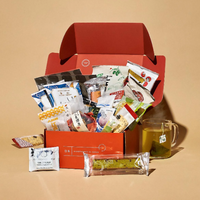
You do not need a trip to Japan to taste what makes konbini shelves so exciting. The Bokksu Snack Box, a monthly subscription sourced directly from small, often century-old Japanese snack makers, is built around the same seasonal, limited-batch spirit that keeps konbini shoppers coming back.
Dondon Yaki
Dondon Yaki, a savory senbei (rice cracker) fried and marinated in tonkatsu sauce and named for festival taiko drums, channels the same bold, snackable energy as a bag of konbini rice crackers.
Iburigakko Smokey Chips
For something with real regional identity, Iburigakko Smokey Chips bring the smoked, pickled radish flavor of Akita prefecture to a rice-flour potato chip, the kind of specific, maker-driven story you will not find on a mass-market shelf.
Soka Senbei: Ume Zarame
Soka Senbei: Ume Zarame, a tart-sweet rice cracker made with ume (Japanese plum) and coarse zarame sugar, echoes the same onigiri-adjacent rice culture that built 7-Eleven's fortune in the first place.
Each box swaps out its lineup monthly, much like a konbini's rotating seasonal shelf, except every snack comes with the story of the region and maker behind it.
Frequently Asked Questions
What is a konbini?
Konbini is the Japanese term for a convenience store. Unlike convenience stores in most countries, konbini combine fresh hot food, ATM and postal services, ticket sales, and everyday retail into one 24-hour location, making them a central part of daily life across Japan.
What are the biggest convenience store chains in Japan?
7-Eleven is Japan's largest chain with over 22,000 stores, followed by FamilyMart with more than 17,000 locations and Lawson with roughly 14,000. Smaller chains like Ministop, Daily Yamazaki, and NewDays round out the market.
Why are Japanese convenience stores so good?
Japanese convenience stores prioritize fresh, made-to-order hot food, efficient service, and constantly rotating seasonal products, standards that developed through decades of intense competition among 7-Eleven, FamilyMart, and Lawson since the 1970s.
What snacks do Japanese convenience stores sell?
Popular konbini snacks include:
-
Onigiri rice balls
-
Oden hot pot
-
Fried chicken
-
Cup noodles
-
Seasonal sweets that rotate with the calendar, from cherry blossom treats in spring to citrus and strawberry flavors in winter
Are convenience stores open 24 hours in Japan?
Most Japanese convenience stores operate 24 hours a day, seven days a week, though some smaller or rural locations have reduced their overnight hours in recent years due to staffing shortages.
Do Japanese convenience stores have clean restrooms and high standards of cleanliness?
Yes, most Japanese convenience stores provide clean public restrooms and maintain exceptionally high standards of cleanliness and customer service. This makes them a reliable and comfortable stop for both locals and travelers.
Where are Japanese convenience stores located, and what role do they play in emergencies?
Japanese convenience stores are typically found in high-density urban locations, ensuring easy access throughout cities and towns. During emergencies, such as natural disasters, konbini serve as community lifelines by providing essential supplies, information, and support when other resources may be unavailable.
Discover Japan One Snack at a Time
Japan's convenience stores prove that even an everyday errand can be done with real care: fresh food made to order, a rotating calendar of seasonal treats, and a level of service that turns a five-minute stop into something worth savoring. If the idea of a shelf that changes with the seasons sounds appealing, the easiest way to experience that same spirit from home is through the snacks themselves.
Ready to taste it yourself? Explore the Bokksu Snack Box subscription and get a taste of Japan's ever-changing snack culture delivered to your door every month.

-
Trending Posts

-


Author Bio
More from the blog
View all


