


Smoke and Spices: Kurama’s Fire Festival and Warming Autumn Bites
For one night in late October, the small town of Kurama in Kyoto becomes a fiery beacon for tourists. Thousands gather at Kurama’s Fire Festival to celebrate traditions that have endured since the 10th century.
In this post, you’ll learn how to embrace the themes of the event through food. Get ready to discover Kurama Fire Festival snacks and how they enhance the fiery celebrations.
Flames in the Mountains: The Kurama Fire Festival

Kurama Fire Festival, also known as Kurama no Hi Matsuri, is an annual festival held on October 22 in the mountain town north of Kyoto. The town is called Kurama, and it's famous for its parade of giant flaming torches (taimatsu).
Brave locals carry the torches wearing traditional loincloths, colorful armguards, skirts made of rope, and sandals. They also wear padded cloth on one shoulder to help with carrying the massive torch, which can be as heavy as 80 kg and as long as 4 meters. During the parade, you can hear loud chants of “saireiya, sairyo!” from men, women and children. In English, it means “festival, good festival” and is a form of well-wish. Thousands of visiting tourists start following the torchbearers around the town from evening until midnight.
All of these elements, including the flaming embers, energetic crowd, and night sky, create an eccentric, mystical atmosphere. And in the heart of all the festivities lies the opportunity to enjoy warming flavors of snacks, street food, and seasonal drinks. But before we dive into these tasty treats, take a minute to appreciate the culture behind the event.


The Cultural Meaning Behind the Blaze

The Kurama Fire Festival dates back to over a thousand years ago. In 1940, Kyoto, which was Japan’s capital at the time, suffered a massive earthquake. The common belief was that Mount Kurama was a gateway to the realm of evil spirits. To protect his capital, Emperor Suzaku, who served from 930 to 946, decided to take action based on his Shinto beliefs. He conducted a ceremony to transfer the guardian deity Yuki Myojin to Mount Kurama, with villagers lighting the way with flaming torches.
The Fire Festival that takes place every year is a reenactment of that first ceremony, and its purpose is honoring the gods and warding off evil. It has become one of the most spectacular festivals in Kyoto and one of Japan’s most visually intense autumn events.
A Feast for the Senses: Exploring Fire, Smoke, and Flavor with Popular Japanese Snacks

The Kurama Fire Festival is more than a spectacle. Different elements combine to make it a rich sensory experience. The scent of burning wood, the chill of fall air, and the glow of flames are all part of the festivities. They set the perfect backdrop for rich, warming flavors. At Kurama no Hi Matsuri, you can savor the local cuisine at food stalls (yatai) selling various snacks and drinks. These treats range from fiery snacks to spiced teas. The rest of this post covers the common options and how their flavors reflect the festival season.
Spicy Snacks to Match the Heat

Let’s start with Japanese spice traditions and how they add warmth during the festival season. Below is a list of top Japanese spices and how they are used in festive snacks.
-
Shichimi togarashi (seven-spice chili mix): Invented in 1625, shichimi togarashi is arguably the most popular Japanese spice. It’s a unique mix of chili pepper, sesame seeds, orange peel, sansho pepper, poppy seeds, nori seaweed, and ginger. All seven ingredients are dried, roasted, and ground to make a spicy and citrusy seasoning. You’ll find seven-spice in rice bowls, noodles, and salads.
-
Sansho pepper: The bold and tangy sansho pepper is spicier than black pepper. It can add flavor as a standalone spice or mixed with other condiments. Sansho pepper is often used in sweets, noodles, and grilled meats.
-
Wasabi: Real wasabi is grated Japanese horseradish transformed into a green paste. People all over the world associate it with sushi and sashimi. However, wasabi is also featured in traditional Japanese snacks, such as pickled cucumber, senbei rice crackers, and almonds.
-
Yuzu Kosho: The citrus-based chili paste contains salt, chili pepper, and yuzu peel. During street festivals, yuzu kosho adds warmth to grilled meat on skewers (yakitori), deep-fried pork cutlet (tonkatsu), and seafood.
-
Karashi: This Japanese mustard is spicier than your typical Western mustard in America. It has a sharp, peppery flavor and often features in dipping sauce.
Sweet Heat: Ginger and Cinnamon Treats

When the crisp October air hits, you can seek comfort in spice-infused desserts and sweets. Lucky for you, we’ve curated a list of some exciting options:
-
Ginger candies: You can find ginger in Japanese confections, ranging from soft gummies to hard candies. Ginger is great for making Japanese candy because it warms the body and supports blood circulation.
-
Yatsuhashi cinnamon sweets: The most popular souvenir sweet in Kyoto, yatsuhashi, is a must-have for tourists in Kurama. It’s a special type of mochi typically made from cinnamon, rice flour, and sugar. Artisans like to fold it into a triangle shape.
-
Wasabi ice cream: The perfect combination of sweet and spicy, wasabi ice cream is a rare and exotic treat. Both adults and kids love it, especially when it features strawberry or other sweet flavors.
-
Wasabi chocolate: The Japanese Kit Kat brand released a wasabi-flavored white chocolate bar that has been making waves in online reviews. Pocky created their own version as a local specialty for Hokkaido. Artisan confectioners in the country also make the sweet using dark chocolate.
Miso and Fermented Depths: Savory Snack Ingredients

Next, we’ll introduce you to some savory festival snacks. These treats combine umami and heat to create satisfying autumn bites. Miso is undeniably one of the most common savory ingredients in Japan. The fermented paste is often used to make salty treats such as miso crackers and miso-based rice cakes.
Soy sauce is another savory ingredient that appears in various festival snack recipes. It’s used to make chips, dumplings, rice cakes, and potstickers.


Street Food and Traditional Japanese Snacks in Kurama During Festival Nights

During Kurama’s October festival, the streets are lined with yatai stalls serving all kinds of dishes. Locals and tourists gather to eat noodle soup, which is one of the most sought-after meals at the event. They buy steaming bowls of ramen made with sliced meat (chicken, pork, or beef), fresh vegetables, and spices.
Skewered meats and seafood are also available in abundance. Popular options among festival-goers include yakitori (skewered grilled chicken) and kabayaki (grilled eel). They are seasoned with salt or savory tare sauce.
There are more fried treats to enjoy, such as tempura, sweet potatoes, fried chicken (karaage), and deep-fried Japanese milk bread (shokupan). Their smoky flavors blend nicely with the occasion.
Seasonal Drinks for Warmth

Drinks are not left out of the festive offerings. Many stalls and roadside shops provide the crowd with delicious warming beverages. Here are some examples:
-
Amazake: This is a sweet fermented rice drink with both alcoholic and non-alcoholic versions. You may need to ask questions to avoid mistaking one for the other. Amazake is creamy and thick. It also comes with several health benefits.
-
Houjicha: Also spelled “hojicha,” this is a Japanese green tea made by roasting tiny tea leaves in a porcelain pot. It has a smoky, nutty, and slightly sweet taste. People add spice to hojicha by incorporating cinnamon, ginger, or cloves.
-
Black tea: The Japanese version of black tea has less astringency than versions from other parts of Asia. Like hojicha, they can be spiced with cinnamon and sansho peppers.
-
Sake: The Japanese rice wine, sake, is a product of fermented rice. During the festivals, many participants drink sake for the energy and warmth it brings. It can serve as an interesting substitute for beer.
Capturing the Heat in a Seasonal Snack Box

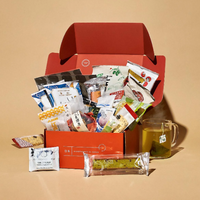
When you can’t attend Kurama’s festival in person, you can always turn to cute snack boxes packed with fall flavors. The best boxes feature individually wrapped autumn snack selections that evoke the same cozy warmth and spice found at Kurama. You get to enjoy the comforting sweetness of sweet potatoes and the nutty taste of roasted teas.
Popular Japanese snack boxes save you the stress of shopping for treats at Asian grocery stores or supermarkets. They also allow you to experience rare flavors that may be hard to find anywhere else. If you want to enjoy a taste of Japan’s seasonal transitions without traveling, make snack boxes your personal favorite!
Bringing Festival Flavors Home with Bokksu

Experience the heat and depth of Kurama’s autumn flavors through the Bokksu Snack Box Subscription. Every month, we offer a new theme that explores seasonal flavors, including tastes from Japanese festivals. When you crave spicy treats, savory snacks, or sweet drinks, you can turn to your box for answers. It includes the perfect balance of flavors, allowing you to choose treats based on your mood. Our packages include unique and rare snacks sourced directly from Tokyo, Kyoto, Osaka, and other Japanese regions.
To get your hands on these exclusive treats sourced directly from Japan, subscribe today. We’ll deliver each box to your doorstep. Enjoy the box yourself, or give it as a fun gift to someone special.


-
Trending Posts

-


Author Bio
More from the blog
View all


